

By KEIRA LINTON
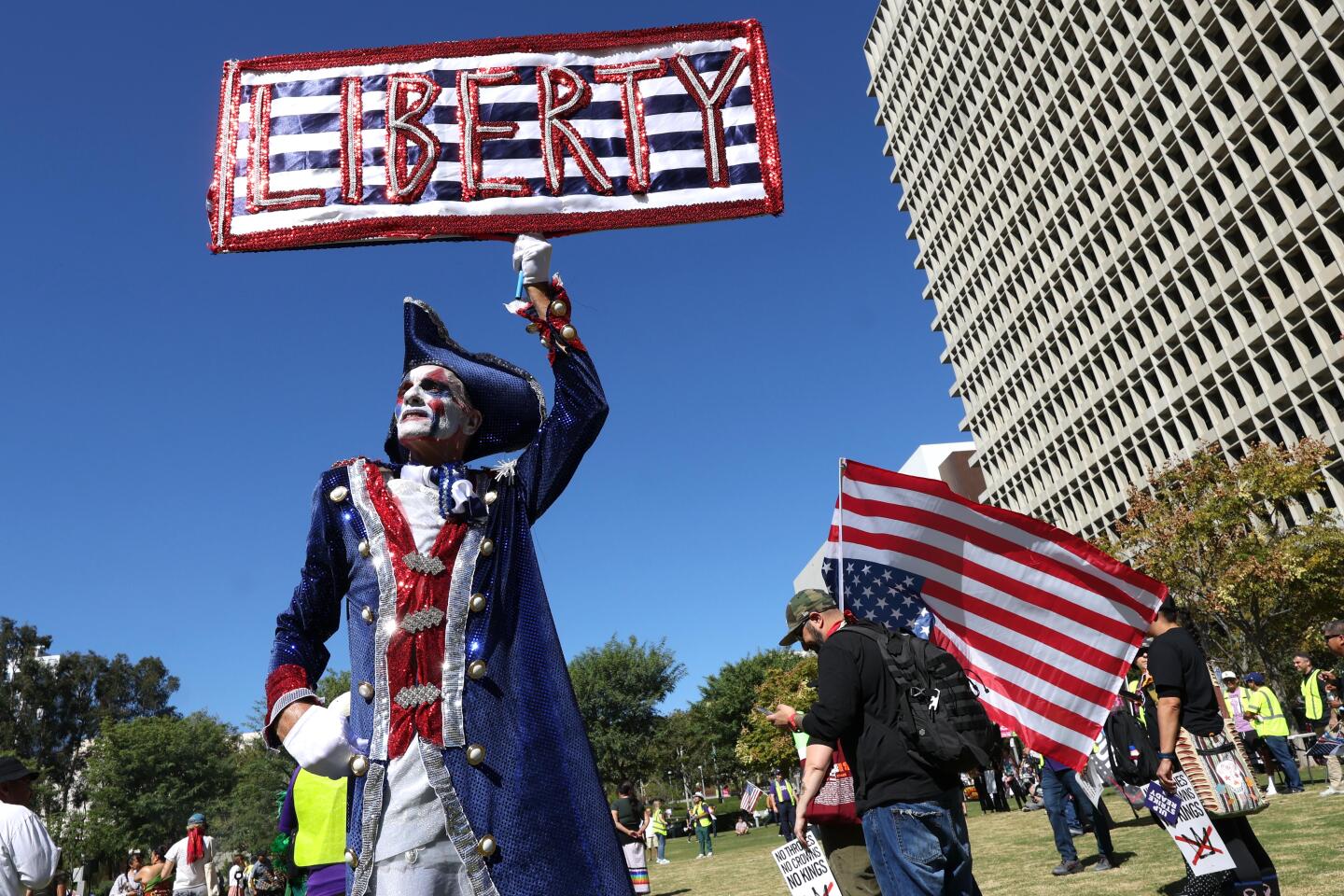
On Saturday, Oct. 18, the world saw the largest single-day organized protests in U.S. history. Two thousand seven hundred events in all 50 states and worldwide were organized and nearly seven million people attended with the intent of leaving one message: America will tolerate no king.
This was the second demonstration organized by No Kings, the last one on June 25, 2025, which organized 2,500 protests nationwide. As U.S. political tensions have increased, so has the public’s turnout at demonstrations.
The rallies were motivated by a slew of actions taken by the Trump administration since June. Protestors were widely concerned with the cuts towards healthcare, education, and the environment, along with the administration’s deployment of the National Guard into cities and the increased detainment by Immigration and Customs Enforcement (ICE). To add more tension, the U.S. government shut down on Oct. 1, with no promise of a swift re-opening. All of these issues came together to build the group’s larger message: democracy and the American constitution needs protecting, as per the No Kings’ website.
No Kings was not only exclusive to the American people. Thousands from other countries joined in to show solidarity and voice concerns on the direction the United States is heading. Canada, the United Kingdom, Germany, and France all had people participating in these peaceful demonstrations. International concerns continue to rise as the administration imposes tariffs and weakens foreign relations.
No Kings Day displayed the anger felt among the American people and united millions in No Kings’ fight against tyranny. No Kings organizers have expressed gratitude and made clear that the fight is far from over. Another large-scale demonstration is already in the works.
Featured image: LA Times

Leave a Reply