

By ISAAC HOLT
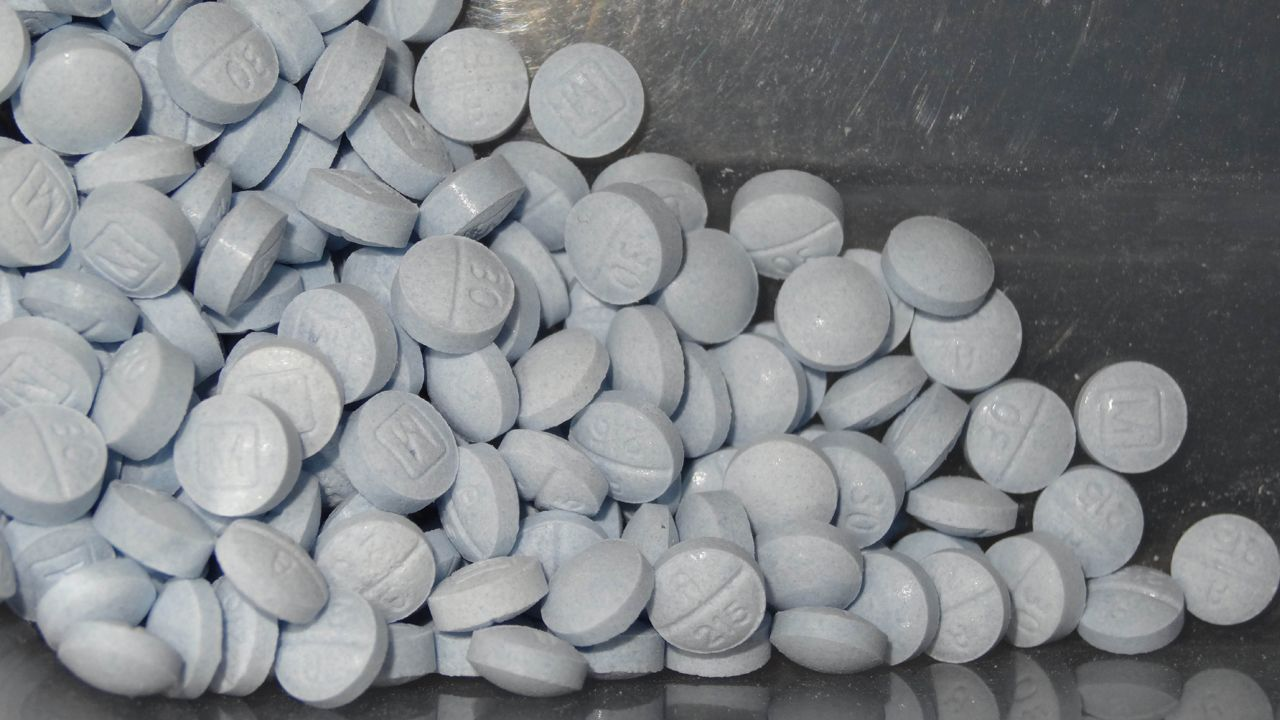
On Nov. 1, FBI agents searched four locations in Lynn, Massachusetts. These coordinated searches led to the seizure of more than 220 pounds of illicit substances, including 20 pounds of fentanyl-laced pills. According to a press release by the Justice Department, the pills had been pressed into heart shapes to look like candy. Among the findings were more than eight million individual doses of these deceptive pills, along with millions more of substances laced with fentanyl, methamphetamine, and cocaine. These seizures are the largest fentanyl seizures by US federal law enforcement in the history of the New England region.
This method of pressing candy-like fentanyl-laced pills is part of an increasingly dangerous move by the cartels to disguise their fentanyl as other substances. As the economic profitability of fentanyl trafficking has steadily increased, cartels have seized this moment to make their trafficking operations more effective in the consumer market. The Drug Enforcement Administration (DEA) has identified fake pills as the main cause of the increase in fentanyl-related overdose deaths in recent years.
Each year, the Department of Homeland Security (DHS) publishes a report on what they assess to be the major threats to American homeland security in the coming year. In their 2024 Homeland Threat Assessment, the DHS places drug-related threats above terrorism in terms of their potential to endanger American lives. It highlights the evolving complexity of combating fentanyl trafficking, as traffickers employ new, innovative methods of moving drugs. Recent trends reveal a steady increase in illicit fentanyl seizures along the US-Mexico border while seizures of methamphetamine, cocaine, and heroin have declined. Cartels operating in Mexico are increasingly disguising fentanyl as other substances, complicating detection efforts and causing an ongoing public health crisis.
Fentanyl serves both legal and illegal markets, notably as a potent pain reliever in some medical procedures. However, the escalating fentanyl overdose crisis in the United States has prompted numerous movements, programs, and government initiatives aimed at curbing the surge in overdose-related deaths. These endeavors span every level of government, from local to federal levels, with ongoing effects still unfolding.
For the past five years, multiple government agencies such as the CDC, DEA, and FDA have spearheaded public campaigns to prevent fentanyl misuse and overdose. In 2018, the DEA began its One Pill Can Kill program, an inter-agency program for spreading awareness of recent fentanyl trafficking trends and the major actions being taken by US federal law enforcement to combat them. For 2023, the One Pill Can Kill program has reported the seizure of more than 11,000 pounds of fentanyl powder, and almost 70 million fentanyl-laced pills, and 2023 isn’t even over yet. For context, 11,000 pounds of fentanyl powder has a street value of roughly $110 million and combined with the pill seizures is sufficient dosage to kill every single person living in the United States, twice.
Emphasis has been placed on raising awareness about the unique perils of fentanyl and its ease of adulteration in substances. Since July 2018, the CDC has regularly issued public health advisories, alerting to the mounting fatalities tied to rising fentanyl trafficking and consumption. The state of Wisconsin has identified fentanyl as becoming increasingly present in overdose deaths, stating in a public health advisory[4]this year that fentanyl has been identified in 73 percent of all drug overdose deaths in the last year. This advisory also stated that fentanyl overdose deaths had nearly doubled from 2019 to 2021, increasing by an estimated 97 percent. The advisory stresses that fentanyl is much more potent than other opioids and that this is one of the main causes of the increase in overdose deaths.
The seizure in Lynn, Massachusetts displays the ever-increasing depth of the fentanyl crisis plaguing America. As fentanyl-related deaths surge and its infiltration into other illicit substances grow, public awareness of the fentanyl crisis is important if there is to be a solution to it. While the federal government is responsible for formulating and carrying out anti-narcotics trafficking policy, every citizen has a role to play in stopping this crisis. Social movements are the basis for reaching out to diverse communities across our country to solve our issues collectively, and their importance in American history underscores their necessity in addressing the modern fentanyl crisis. Cooperation between government, communities, and individuals stands as the most practical pathway forward in fighting the fentanyl crisis.
Featured Image Credit: NY1

Leave a Reply