

By RUBY BAUDHUIN
“Clockwatchers” – directed by Jill Sprecher (1997)
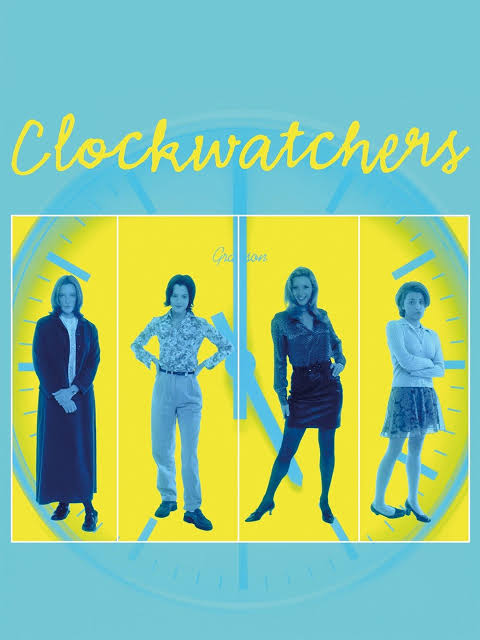
The film initially establishes itself as a lighthearted comedy about the friendship between a group of female office temps. Iris has just been hired and becomes fast friends with Jane, Paula, and the formidable Margaret. Though the women are constantly demeaned and undermined by their coworkers, the strength of their bond makes the job bearable. And then, an office thief strikes. “Clockwatchers” ultimately blooms into a devastating critique of capitalism, misogyny, and generic ambient music. Prepare for tears!
“Girlfriends” – directed by Claudia Weill (1978)
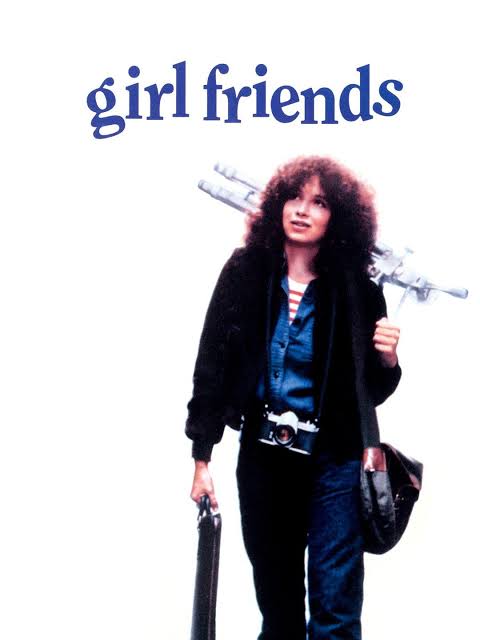
Pegged by many as the low-budget prototype of Noah Baumbach’s “Frances Ha” (2012), the film follows Susan, a young Jewish photographer, living in Manhattan with her best friend Anne, an aspiring writer who moves out to live with her husband a short way through the film. “Girlfriends” explores the heartbreak of losing a best friend and the loneliness that follows with honesty and grace. In the words of Allison Anders (quoted in the Programme Notes of BFI’s Sight and Sound), “I’ll never forget seeing Claudia’s timeless, incredible movie in the theaters in 1978. It was the first time I had ever seen a female friendship presented in all its complexity: warmth, humor, sisterhood, competition, jealousy, longing, rage, and absolute acceptance and trust.”
“The Braves” – directed by Anaïs Volpé (2021)

“The Braves” follows the lives of two young women, Alma and Margo, as they pursue their shared dream of acting in Paris. When Alma is cast as the lead in a play with Margot as her understudy, viewers might anticipate sabotage. The reality, however, is far more heartbreaking. Director Anaïs Volpé works with esteemed cinematographer Sean Price Williams to depict a friendship that is “as passionate as any torrid love affair” (Jessica Kiang for Variety, “‘The Braves’ Review: A Breathless Debut Celebrating the Highs and Lows of a Firework Female Friendship”).
“Breathe” – directed by Mélanie Laurent (2014)
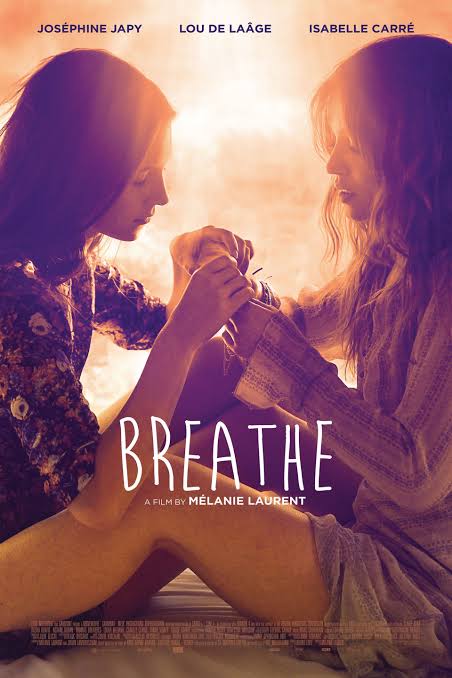
“Breathe” tells the story of an intense friendship between two girls which quickly twists into a dangerous affair of jealousy and revenge. The girls meet at school—Sarah recently moved back to France from Nigeria and Charlie is assigned to show her around. While Sarah may be new to town, it is clear that she is anything but naive. As Veronica Fitzpatrick writes in her review of the film (“Unbearable Lightness: Melanie Laurent’s ‘Breathe’”), “‘Breathe’ zeroes in on the girlish longing to be wholly made over—to be rescued from potentially lifelong ordinariness by a less fearful, more charismatic friend, a woman for whom everything is effortless. As such, ‘Breathe’ belongs to a subset of films that couch female friendship’s complexity in the sensationalism of melodrama and horror.” And while it is indeed horrifying, it is also a movie which will be all too relatable for anyone who has survived the emotional torment of friendship as a teenage girl.
“Waiting for the Light to Change” – directed by Linh Tran (2022)
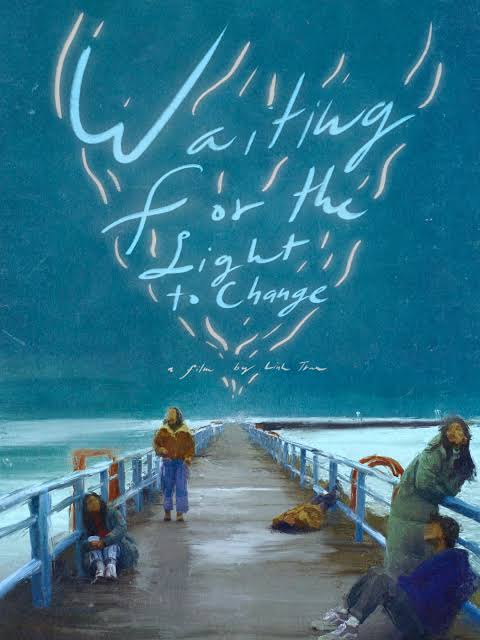
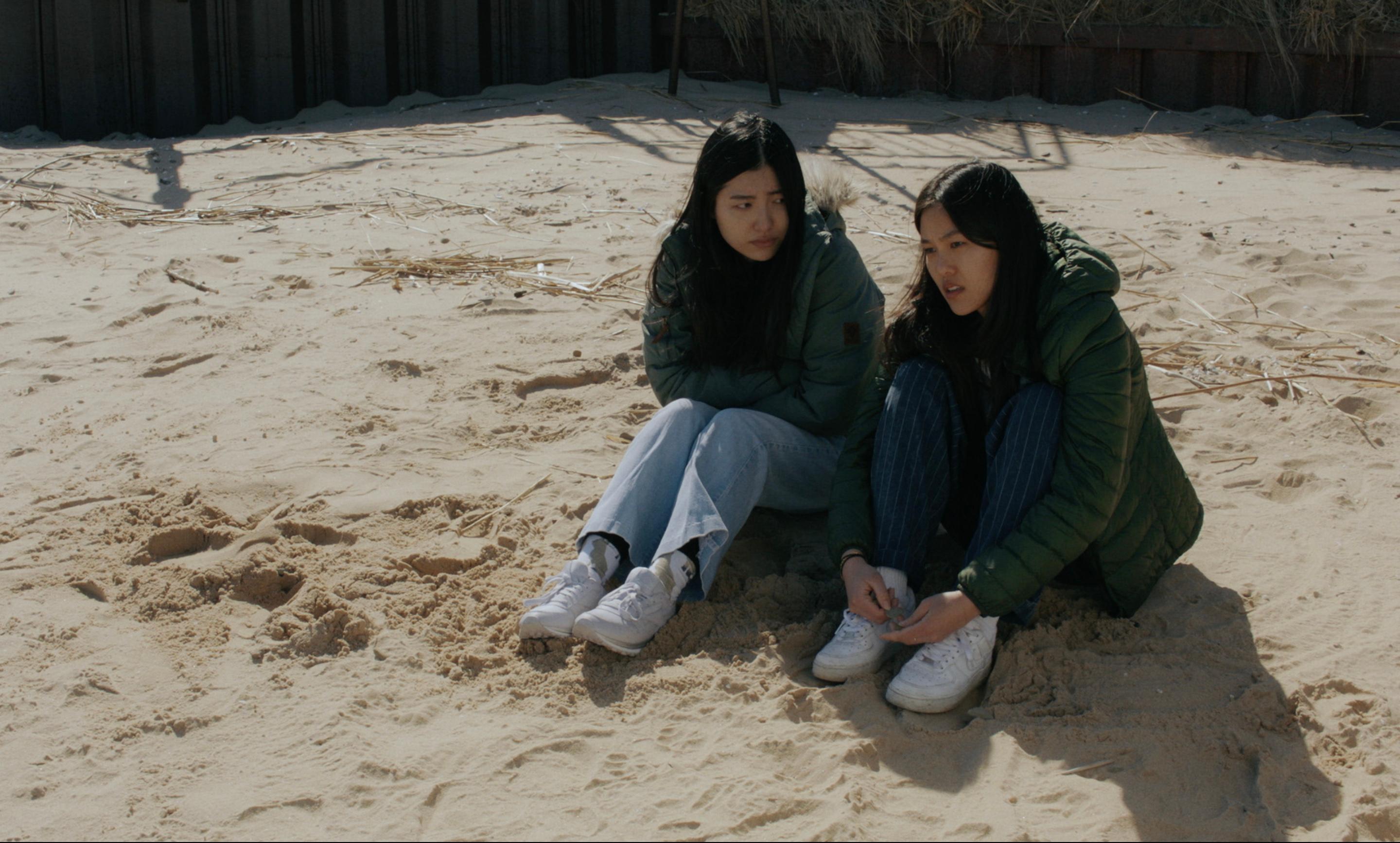
Striking in its wisdom and careful subtlety, Linh Tran’s debut feature captures a lakeside getaway reunion between friends. The film highlights the strained friendship of Kim and Amy, two women with a shared history that neither is quite willing to unpack. Long takes, minimal dialogue, stunning cinematography, and an immersive Michigan soundscape bring life to this repressed group of young people. Yet the film is also rich with intimacy. As Kim’s cousin Lin tells Amy while they hold each other by the fireside on one of their last nights, “I’m happy to be dancing with you. I always dance alone.”
“Girl Picture” – directed by Alli Haapasalo (2022)

“Girl Picture” follows three Finnish teenagers—best friends Mimmi and Rönkkö, and Emma, Mimmi’s love interest—through three consecutive Fridays. The film depicts Rönkkö’s pursuit of sexual pleasure, Mimmi’s weary relationship with her mother, Emma’s ice skating career, and the friendship and romance between the three girls. The movie is unconventional in its refusal to punish its female subjects in their process of self discovery. For director Alli Haapasalo, this was central to the premise of the movie. In an interview with Forbes (“‘Girl Picture’ A Finnish Coming-Of-Age Film That Explores The Joy And Pain Of First Love”), she said, “We are used to seeing women as objects of desire in countless films. But even when women are subjects, they very often end up having a punishment for exactly that, being a subject… We didn’t want to enforce the stereotype of a girl as a victim, so we quite simply removed all threats and dangers.”
Featured Image: Still Image from “Waiting for the Light to Change“

Leave a Reply