

By OLLIE IDZIKOWSKI
On November 12 at the Logan Museum of Anthropology, anthropologist Molli Pauliot presented her unique perspective on the history of the Ho-Chunk tradition of basket-making. Molli Pauliot is a member of the Ho-Chunk nation, an accomplished bead worker, and is currently doing doctoral research on Ho-Chunk black ash basket making at U.W. Madison.
Those who arrived at 4 p.m. could strike up a conversation with fellow attendees and snack on food laid out on tables in the lobby on the first floor. The talk started at 5 p.m. and lasted about an hour, with Pauliot spending some extra time answering questions and presenting her basket collection. The presentation provided some essential context for understanding the importance of the craft. Basket-making was and still is an important way for the Ho-Chunk nation to sustain themselves financially. This makes the passing down of the art form a common occurrence, and Pauliot spoke about how the women in her family were the first to introduce her to basket-making.
While the event itself was enough reason to attend, some teachers offered extra credit to those who attended. Biology professor Claire Milstead is one of those teachers, and went to the talk herself. She reflects on the experience positively and was excited about the fact that Pauliot brought in her own baskets and let people touch them. “She brought a unique perspective due to the fact she had participated in basket-weaving and worked with several different tribes and that is a perspective you cannot receive from reading interpretive science,” Claire said when asked about her thoughts. She decided to give her students extra credit for attending the talk on the basis that “one of my learning objectives is to learn how plants are used in society and the black ash basket is a unique example of this. The woody tree is used as fiber for making the baskets. The strips come from annual growth rings.” Claire noted that the museum still has black ash baskets on display as part of a larger exhibition and encourages students who missed the event to visit the Logan. The Emerald Ash Borer is a pest that destroys the black ash trees and Claire hopes that awareness will continue to spread about this threat to both ecology and culture.
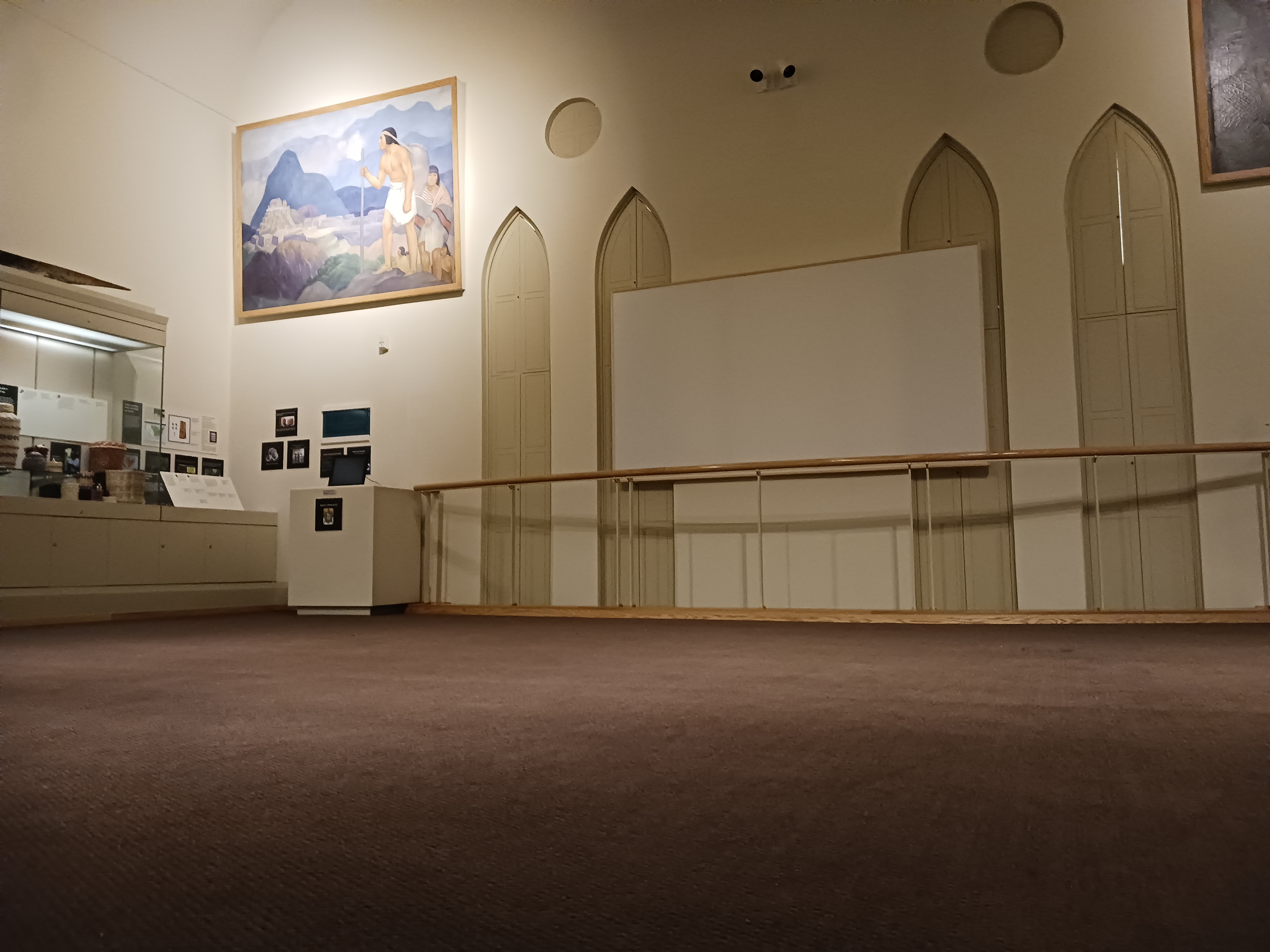
The staff at the Logan Museum also had comments about what Molli Pauliot said. Nikita Warner, a curator of exhibits and programs at the museum, expressed how impressed she was with Molli Pauliot’s ability to carry a presentation without relying on a slideshow. Warner is appreciative of speakers from the Native American community as she fully acknowledges that researching history and culture can never recapture genuine experience.
Her hope is that these talks have a mutual relationship with the exhibitions and help the Beloit community get more engaged in the museum. She also believes that the issues discussed correspond not only to anthropology but also to broader topics like botany and environmentalism. Baron Wathen’25 is a student worker at the Logan and echoed many of the sentiments Nikita Warner expressed. He was happy to see that there were many freshmen and other new faces at the event. Wathen hopes that the Logan forwards a message of decolonization. The baskets represent a unique intersectionality between indigenous culture, the nature of North America, and archeological history.
Molli Pauliot is set up to be adjunct faculty and teach the class Indigenous Curation in Practice here, so she will continue to share her unique perspective with the Beloit campus. A lot of passion goes into the upkeep of the museum and taking a trip to the Logan even outside of attending speaking events is a great way to learn more about both Native American and Beloit campus history.

Leave a Reply