

By COOPER RATHMANN
Benito Antonio Martínez Ocasio, more popularly known as Bad Bunny, has once again reinforced his highly acclaimed discography with the release of “DeBÍ TiRAR MáS FOToS.” The album, released on January 5, 2025, has been skyrocketing to the top of the charts across the United States and Latinoamérica. The lyrics and overarching message of “DeBÍ TiRAR MáS FOToS” are meant to speak to the personified Puerto Rico and express to her the feelings and concerns Bad Bunny has toward the island and its population.
I am not attempting to speak on behalf of a culture I don’t belong to, so I offer my review in more of a musical sense, letting the album remain intact in its cultural integrity. Comedian Ricardo Andrade Malo said that “Es un proyecto de arte que reivindica Latinoamérica su cultura, sus sonidos, su gente” [It’s a work of art that reclaims Latinomérica’s culture, sound, and people]. Adopting this attitude while listening to the album helped me understand some of the cultural references, the specific dialect of Spanish, and the emotional emphasis in the lyrics. Therefore, I present my review of “DeBÍ TiRAR MáS FOToS” from my outside perspective.
I believe “DeBÍ TiRAR MáS FOToS” still met his fans’ expectations when he announced its release. Fast-paced songs like “VeLDÁ” or “PERFuMITO NUEVO” had traditional reggaetón elements, such as heavy bass beats, the use of English words or phrases, and, of course, the electric catchy refrains. These songs fulfilled the more contemporary music and lyrics most people would associate with Bad Bunny, with small modifications to his typical sound.
Jaden Delarosa’25 commented on the reggaetón aspect, saying, “I think the style changed up a little bit, it feels a bit old school, which I like, especially in the song ‘EoO,’ where towards the end he references the history reggaetón has in Puerto Rico.”
Personally, my two favorite moments from that aspect of the album were from “NUEVAYoL,” precisely where it vividly paints a picture of New York City and that the essence of Puerto Rican rhythm can transcend borders, in addition to the dual performance about a passionate getaway to the beach on “WELTiTA” featuring Puerto Rican artist Chuwi.
While many were not initially expecting an album like “DeBÍ TiRAR MáS FOToS” to kick off 2025, it came as a highly appraised surprise because he created a fusion of his classic reggaetón style accompanied by what is seen as more traditional genres like salsa, plena, bachata, and rumba. The salsa elements used in “BAILE INoVIDABLE” and the bachata rhythm in “BOKeTE” incorporate older styles of the island’s music.
Delarosa discussed more of the story of the genres, saying that “Bomba and plena were created by African populations in Puerto Rico who used music as a way to protest oppression, and these genres later combined with other Caribbean genres such as Cuban Rumba, a genre created by Afro-Cubans, and that’s how Salsa was made.” Thus, the fusion of genres is represented best in “LA MuDANZA” which resurrects an authentic Puerto Rican sound that spans multiple generations by telling the story of his parents meeting and their separate life stories while still appealing to the modern Latin trap genre.
Bad Bunny was looking to use his global influence in the music industry to express to his home island and the world the gentrification and migration issues that must be faced head-on since they pose a grave threat to the preservation of the culture. For instance, “LO QUE LE PASÓ A HAWAii” is arguably the most politically charged song on the album, in which he warns the world that Puerto Rico is on the same track of fate that Hawaii had endured due to the grasping American control.

What made this proclamation so impactful was the execution of his songs with his profound and eloquent lyrics. He sings a line about how tourism and gentrification from “Expats” take away his homeland, whether that be through privatizing beaches or having forced power outages. There are also the following commands to fly the Puerto Rican flag proudly and not forget the “lelolai”, a cultural chant often seen in Puerto Rican folk music, which perfectly emulates the provocation of feelings of pride and cultural appreciation.
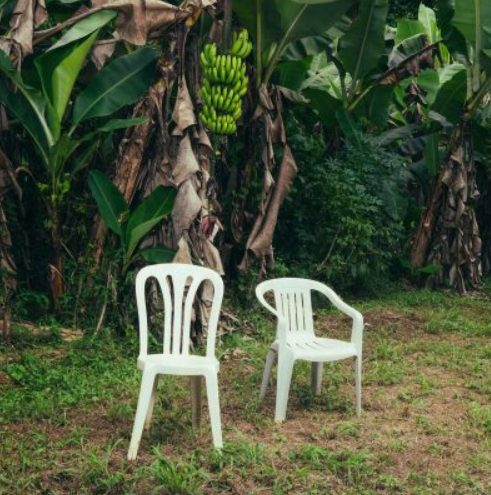
Perhaps the most compelling aspect of the album is the sense of nostalgia derived from the dreams and aspirations to return to Puerto Rico and reunite with family, which can resonate with many people feeling separated from their own family or disconnected from their homeland. Outside of songs, the album cover pictures a tropical backdrop with two plastic chairs, yet they have symbolic power and a rich story in the eyes of the Latino community.
Luz Cruz’26 told me what the incorporation of the plastic chairs meant to her. “My grandma has a chair outside of her house, and because of her condition, we hold the chair really personal to us… so that’s why I thought it was important that he [Bad Bunny] put it in the album, especially with the song ‘DtMF.’”
To add to Cruz’s statement about “DtMF”, it pulls the heartstrings of the listeners because it talks about themes of holding the ones you love close and that at any time they could pass, meaning the memories made on “cheap plastic chairs” are invaluable to those who used them. An international perspective came from Palash Mamtaney’28 when he said, “What really hit me was the translation. This hits home–like this is what I think about when I’m alone. I wish I took more photos, gave more hugs and kisses–it was real.” This love for the song and its overarching message is reflected through the refrain used on TikTok and Instagram, where people can make photo collages of their lives with the song in the background to feel closer to home.
“DeBÍ TiRAR MáS FOToS” has so much to offer for any level of listening, whether that be for casual listening or professional critiquing, which is why the album is so versatile. It reaches a universal audience and still pulls in interest from around the globe. At the end of the day, even if you don’t listen to Latin music much, I strongly suggest giving the album a try because you might walk away with a new perspective on Puerto Rico or a new pump song for the gym. If I had to give a specific song suggestion, I heavily recommend “CAFé CON RON” because of its collaboration with Los Pleneros de la Cresta and changes of pace throughout to demonstrate the highs and lows of life, which is summarized in the tradition of drinking coffee in the morning and “Ron” later in the day.
Even if it’s not properly appraised in the industry through the Grammys or other awards, its goal to spread awareness of the problems on the island has already been reached. It is probable that “DeBÍ TiRAR MáS FOToS” will set the bar high for the future, and now Bad Bunny acts as the golden model of a musical artist using their influence for the preservation of the place they call home and uniting the island to proudly exclaim their roots are from La Isla or P FKN R.
Featured image: DeBÍ TiRAR MáS FOToS album cover; Spotify

Leave a Reply