

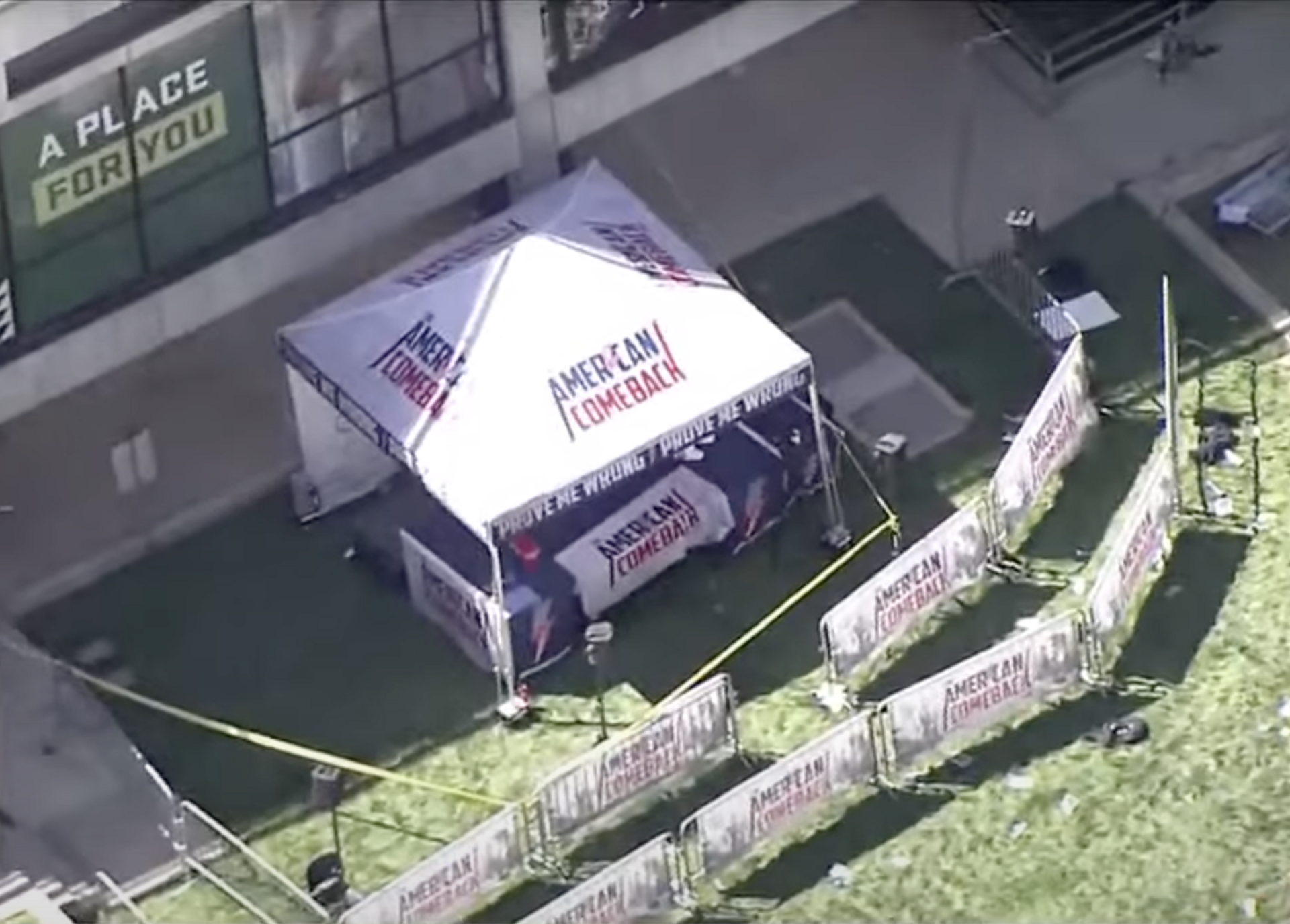
Sept. 10, 2025, was a warm, sunny day in Orem, Utah. At around 12 p.m., approximately 3,000 individuals gathered at Utah Valley University to observe, protest, and debate cultural and political views with Charlie Kirk.
Kirk, a media personality, political activist, and co-founder of conservative youth organization Turning Point USA, had embarked on a college campus tour during which he would field questions and arguments from students. UVU was his first stop. Around 15 minutes into the event, Kirk was fatally shot as panic ensued. He was pronounced dead at Timpanogos Regional Hospital, followed by major public outcry.
The right denounced what was seen as left-wing political violence, urging the public to “turn in” individuals who were thought to be celebrating his death. The Trump administration took swift action, promising to crack down on and dismantle any liberal organizations that the president alleged promoted violence.
Despite claims of leftist ideology motivating the attack, no substantial evidence has been found to substantiate its relevance as a motivation. The suspected shooter, Tyler James Robinson, remains in custody, with legal proceedings beginning in earnest on Oct. 23.
The period of Kirk’s assassination is one marked by escalating political violence, punctuated by the murder of Minnesota state legislator Mellissa Hortman and her husband, the bombing of a fertility clinic in California, and many more.
A Princeton Bridging Divides Initiative report reveals that politically motivated violence grew by more than 30% from 2024 to 2025, with a 58% rise in threats against members of Congress. After Kirk’s death, threats against educators, policymakers, and journalists sharply increased, as did instances of harassment and doxing. Over 100 people faced repercussions regarding controversial statements about Kirk merely nine days after his assasination.
Liberals and leftists across the nation speculated that the martyrdom of Kirk would bring about a resurgence of traditional Christian values, fearing purges of anyone who dared disrespect his memory, a conservative totalitarian utopia.
Instead, Charlie Kirk has become a meme. “Kirkification” is slang popular among Generation Z, referring to the practice of utilizing generative AI to replace the face of an individual with Kirk’s.
“Lowkirkenuinely”, a portmanteau of “lowkey” and “genuinely” fused with Kirk’s name has proliferated in usage among the youth. Even recently, people are referring to the anniversary of his death as the “kirkiversary”. Actress and comedian Ivy Wolk commented that “Just the name Charlie Kirk can send people of my generation into a fit of giggles.”
The Turning Point USA chapter at Beloit College reportedly scheduled a vigil for Kirk: a bonfire on Sept. 9 at Aldrich Field. According to Vivian Kopka’27, no such gathering ever took place. “A couple friends and I were walking one of our friends back from Emerson [Hall] a few minutes after the bonfire presumably began, so we decided to check it out. There was no one there,” she said.
Today, the U.S. still grapples with deepening political divides. As multiple crises — economic, social, climatological — arise, the future of American politics remains split.
Featured image: Wikimedia Commons

Leave a Reply