

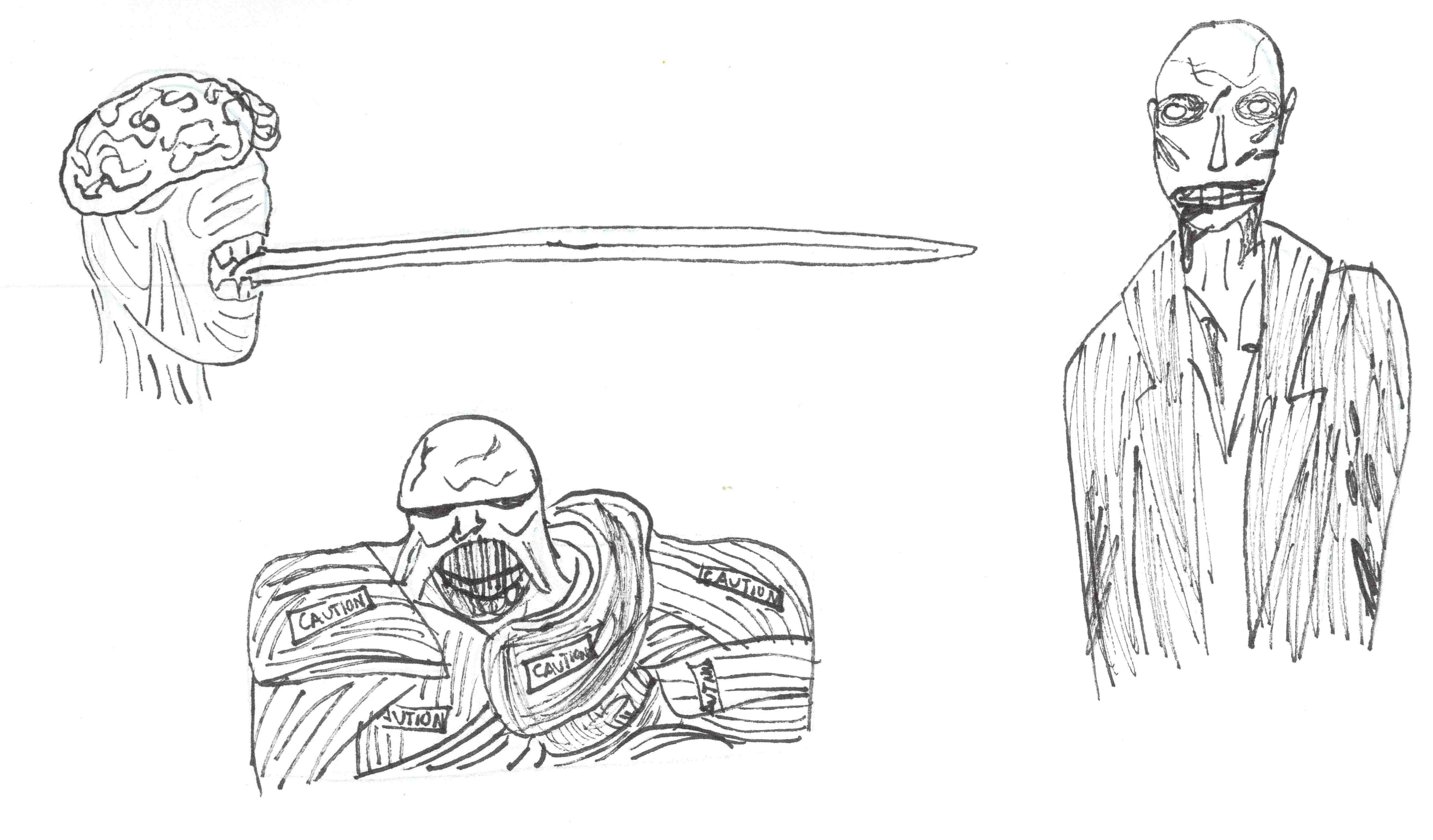
Video game movies are, largely, hit-or-miss as a genre. A movie can’t capture the same freedom that a video game builds its entire appeal around, and it can’t rehash the same story that the game builds its appeal around (if, in fact, there is one: for sandbox games without a central narrative, this presents an additional challenge). At the same time, a video game movie is pitching to two distinct audiences: those who haven’t seen the original source material, and those who have, and are highly invested in it. Therefore, any movie based on a videogame walks a tightrope: get too in the weeds about game lore and you’ll lose the interest of new viewers, but ignore it completely and hardcore fans will dismiss it as a Hollywood ripoff.
Add all this to the difficulty of making any normal movie and it’s no wonder why so many video game movies have been consigned to forgettability: it is a hard balance to strike. Which is where we come to the new “Resident Evil” movie.
For once, this movie wasn’t with a franchise I was overly familiar with: the “Resident Evil” game franchise has been going since 1996. Still, I knew some of the vague building blocks: Umbrella Corporation, Raccoon City, Leon Kennedy, and Resident Evil: Village’s dommy mommy Lady Dimetrescu. (Look, I never claimed to be an objective viewer, alright?)
The story of “Resident Evil,” however, centers on glorified DoorDash driver Bryan Hodukavitch, who is hired to courier a medical package to Raccoon City General. This is bad news for everyone, but especially Bryan, who begins to encounter the outskirts of a devastating zombie-like virus outbreak as he makes his way into the city.
First thing’s first: the pacing is incredible. There are no flash-forwards, there are no shortcuts, and every element in this movie feels agonizingly physical. Bryan jumps a fence and the shot doesn’t cut away quickly; it lingers as he fumbles the landing and yelps in pain. He struggles with endless locked gates, blocked roads, and the realities of being a civilian in a world constructed for the Ultimate Badasses you play as in the games. He is our main character, yes, but not the main character. The universe does not protect him like it does Leon or Claire or Grace. He is painfully expendable, and that makes this movie an incredible perspective shift from the power fantasy of the Resident Evil games.
The Resident Evil franchise has always struck a balance between campy gore and genuine horror, and the movie managed to nail the tone down pretty well, in my opinion, with about equal servings of horror and comedy. (This is, granted, one of my favorites: you can take the rest of this review with a grain of salt). Austin Abrams’ performance as Bryan is great, and practically that’s all that matters (no other character lasts for very long).
There’s no quippy one-liners from Bryan like Leon lets off every four minutes in the game — which isn’t to say he isn’t funny. In a break from the expected dumbassery of a horror movie main character, Bryan mainly reacts to all of the above by screaming “FUCK,” running away, and missing half of his shots, which is another point in this movie’s favor. Absolute W in writing Bryan; everything he does for 90% of the runtime is not only reasonable but probably exactly what I would have done. This choice also, helpfully, makes you want to not only sympathize with him, but like him. It’s hard to root for him to die!
As far as criticisms go: a lot of the gore falls firmly into the area of “that would be cool if it looked more real,” and at several points the movie almost reaches absurdity in its monsters, which is par for the course. There’s a mix of practical effects and CGI, and it correlated almost exactly with how scary I ended up finding the given monster. I have, however, been informed that the batshit insane “Human Tumbleweed” creature was, in fact, practical effects? Holy shit. Relatedly, the jumpscares range from genuinely good to “okay, yeah, get it over with,” and a few of the emotional scenes could have gone a little longer without being cut into.
Finally, the plot of “Resident Evil” is, essentially, a delivery quest. As mentioned above, this means the pacing stays tight, and the audience never becomes confused about what the objective is, but I’ll acknowledge: if you come to “Resident Evil” looking for deep lore or a greater scope of the Raccoon City outbreak, you are going to be left disappointed. The only parts the movie explains are the absolutely critical ones: Bryan isn’t a police officer or a special agent, he’s a civilian delivering a package. Again, I would say this is a concession to the general audience to the detriment of hardcore fans; whether this is a pro or a con is going to depend on which side you fall on, and how much you care. Still, these are relatively small complaints compared to the massive positives of “Resident Evil.”
“Resident Evil” has grossed $384.4 million worldwide, and is available to watch in theaters or stream on Prime Video.

Leave a Reply