

By DEMIR KASAPOGLU
On September 9 French Prime Minister François Bayrou handed in his resignation to President Emmanuel Macron after losing a vote of confidence in the French National Assembly due to struggling to get votes to approve a new budget.
Having lost the 2024 snap elections, Macron’s party Renaissance has been leading a minority government ever since, struggling to keep the far-right National Rally (RN) and the left wing electoral alliance New Popular Front (NFP) out of power as they each control a third of the National Assembly.
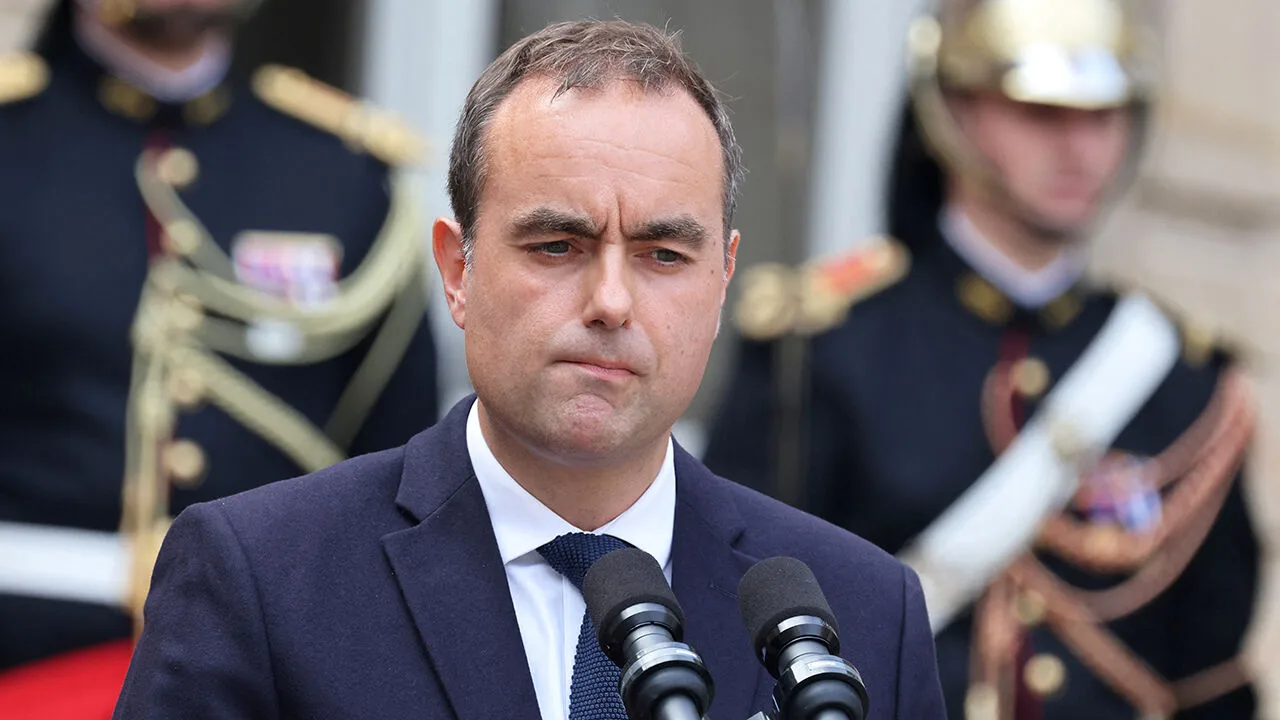
Almost immediately after Bayrou’s resignation Macron appointed Sébastien Lecornu, his current Minister of the Armed Forces, as prime minister. Lecornu’s appointment has brought in criticism from the NFP as they are the largest block within the National Assembly and traditionally would have had one of their own appointed as prime minister.
In response to the government collapse and appointment of Lecornu, French workers, unions, and supporters of the NFP have announced a nationwide general strike and protest called “Block Everything,” which began on September 10. Although the strike has yet to take place, scheduled for September 18, protests and riots have started affecting France’s biggest cities.
In just the first day, protestors set up blockades, the government deployed 80,000 security personnel across the country and so far over 500 people have been arrested, 200 in Paris alone. The French government states that 197,000 people have participated but the General Confederation of Labour (CGT), one of the largest trade unions in France, stated that the figure is closer to 250,000.
As Macron continues to face instability within the parliament and in the streets, nobody knows what his next move will be. The left is calling for new parliamentary and presidential elections, the right is calling for new parliamentary elections only and his own party is calling on Macron to hold strong in the face of instability.
Featured image: Reuters

Leave a Reply