

By PALASH MAMTANEY
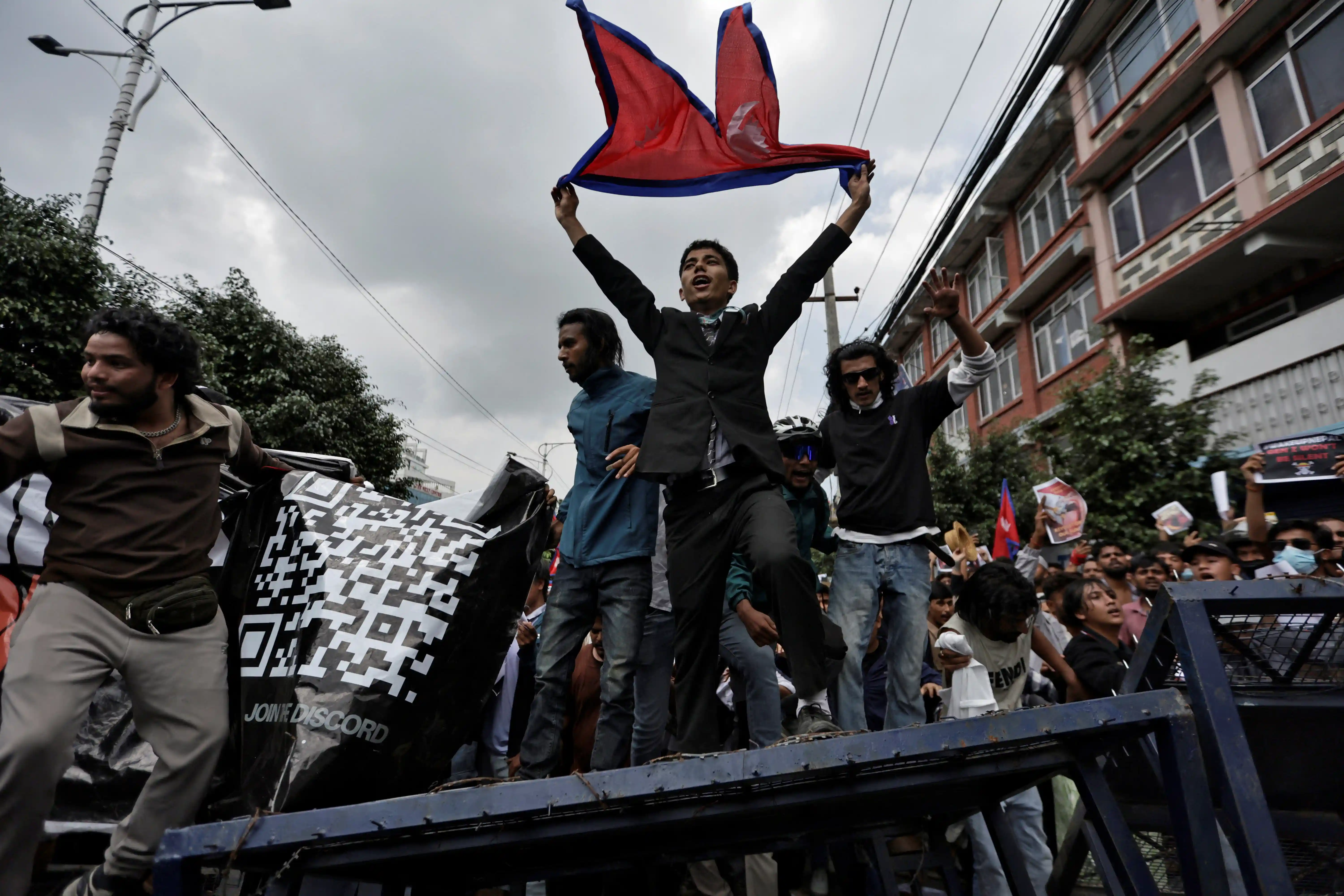
Last week Nepal plunged into chaos as Gen Z protesters ignited a nationwide uprising. The spark was a sudden government ban on 26 major social media platforms, crucial tools for youth communication. This ban was widely seen as an attempt to silence voices exposing political corruption and nepotism, especially among the powerful families of politicians called “Nepo Kids.”
Thousands of young people, many in school uniforms, flooded the streets of Kathmandu and other cities, organized largely through platforms like Discord. Their anger and frustration quickly turned into violent clashes with security forces. Police used tear gas, water cannons, and live ammunition against protesters. Over 50 students died and more than 1,300 were injured after police opened fire at the protesters.
Protesters stormed and set fire to the parliament and government offices, escalating the crisis. The government lifted the social media ban but failed to calm the protests. Prime Minister KP Sharma Oli resigned amid intense pressure and calls for reform. The parliament was dissolved, leaving Nepal without a government.
In a historic move, Sushila Karki, former chief justice and known anti-corruption advocate, was appointed Nepal’s first female prime minister. She was chosen after Gen Z activists gathered on Discord and consulted with the military and political leaders. Karki promised elections in March 2026 to restore democracy.
The uprising revealed deep generational anger over corruption, unemployment, and broken promises. It also demonstrated the power of digital tools in modern political activism. As Nepal begins to recover, the challenge remains to rebuild trust in institutions and political leadership.

Leave a Reply