

By PALASH MAMTANEY
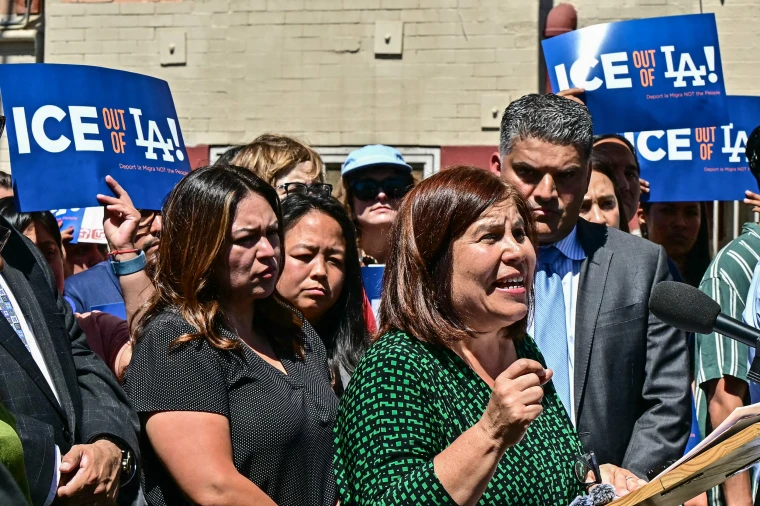
On Sept. 8, 2025, the U.S. Supreme Court issued a temporary ruling allowing federal immigration agents in Los Angeles to consider factors such as race, ethnicity, language, and location when deciding whom to stop and question regarding immigration status. This decision reversed a lower court injunction that had prohibited immigration enforcement from using these criteria, which were deemed likely unconstitutional. The ruling permits agents to use “relevant factors” including perceived race, speaking Spanish or accented English, presence at common day-laborer gathering spots, and types of employment as grounds for carrying out stops and brief detentions. Justice Brett Kavanaugh supported the ruling, emphasizing judicial restraint in immigration policy decisions, while Justice Sonia Sotomayor strongly dissented, warning that it effectively greenlights racial profiling. Critics argue the order risks widespread discrimination against Latinos and other minority communities, potentially subjecting U.S. citizens to stops based on appearance or language. The case is not yet fully decided, as legal challenges continue, but the ruling signals a significant shift allowing more aggressive immigration enforcement tactics. This decision has raised sharp concerns about civil rights and protections against unreasonable searches, sparking debates on racial justice and immigration policy enforcement in the United States.
Featured image: NBC


Leave a Reply