

The war between Israel, Iran, and the United States has continued to expand since March 4, with fighting moving across Iran, Israel, Lebanon and the Strait of Hormuz. Ceasefire talks have stalled, casualties have risen, and recent maritime incidents have raised concern over oil shipments and global trade.
On March 4, Israeli military reporting said the IDF struck missile launchers, air-defense systems, ammunition depots, Basij headquarters, Mehrabad Airport in Tehran, a Shiraz Air Force base, a police building in Tabriz, and military headquarters in Qom. Iran launched eight waves of attacks on Israel that day, and Hezbollah carried out 38 attacks from Lebanon.
By late March, the conflict had widened further. Reporting from that period said U.S. and Israeli strikes were targeting Iranian defense-industrial sites, including facilities tied to missile production and other military equipment. Israeli Prime Minister Benjamin Netanyahu was reported to have ordered the IDF to destroy as much of Iran’s arms industry as possible in a short time frame.
Casualty figures remain high. Al-Jazeera casualty tracking reported that 2,076 people in Iran had been killed and 26,500 injured, while 26 people in Israel had been killed and more than 7,451 wounded. The same tracker said the Iranian dead included 240 women and 212 children.
The ceasefire issue has become central to the conflict. Iran put forward a 10-point ceasefire framework that called for an end to attacks on Iran and its allies, a halt to Israeli strikes on Hezbollah, the reopening of the Strait of Hormuz, withdrawal of U.S. forces, lifting of sanctions, unfreezing of Iranian assets, compensation for damage, and an internationally binding agreement. The proposal also tied any broader settlement to security guarantees and formal recognition that Iran’s demands would be enforced through outside guarantees.
The U.S. position was different. Washington reportedly wanted a ceasefire followed by further talks on Iran’s nuclear program and regional activity. Israel continued to press for military pressure. The two sides did not agree on the terms, and negotiations have been delayed.
President Donald Trump has kept up public comments on the war. On social media, he said “Israel never talked me into the war with Iran” and repeated that “IRAN CAN NEVER HAVE A NUCLEAR WEAPON.” He also said the United States “holds all the cards.”
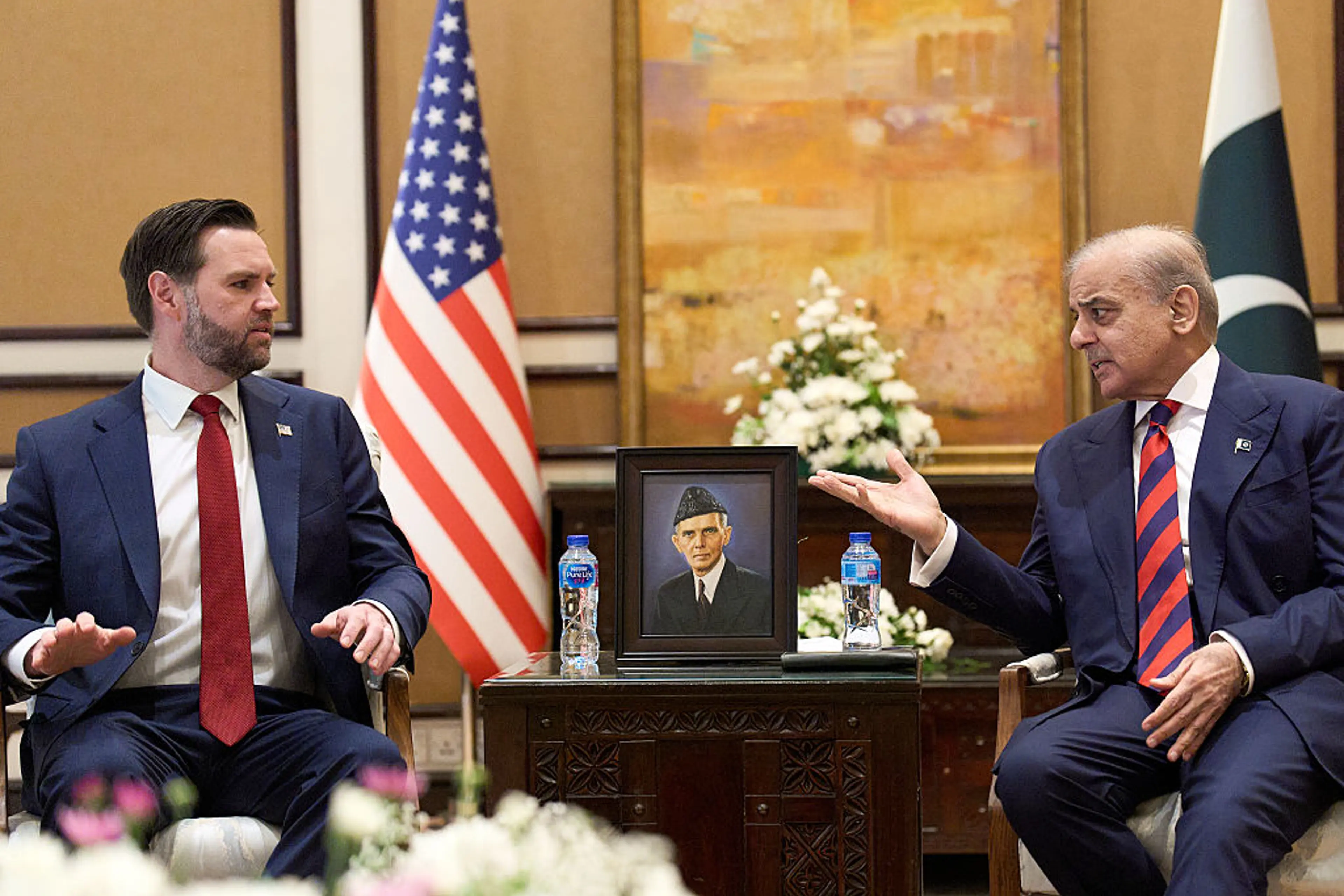
The latest setback came on April 25, when Trump canceled Steve Witkoff and Jared Kushner’s planned trip to Pakistan for Iran-related talks. Reporting said the trip had been intended to support indirect diplomacy, but it was called off after Iranian Foreign Minister Abbas Araghchi left Pakistan and no progress was reached.
The Strait of Hormuz has become another important aspect of this war. Reports said three ships were attacked there on April 22, including two foreign container vessels seized by Iran and a third vessel that came under fire. The United States also took action against an Iranian-flagged ship in the same area. Because the strait is a major route for oil exports, the attacks have raised concern over fuel prices and shipping costs.
The countries directly involved are Israel, Iran and the United States. Lebanon is part of the conflict through Hezbollah. Pakistan has been drawn into the diplomatic effort. Gulf states are also exposed because of shipping routes, airspace and proximity to the fighting.
Since March 4, the war has moved from repeated strikes to a broader conflict involving ground attacks, missile fire, maritime seizures and failed peace efforts. The ceasefire proposal has not held, and the fighting has continued on several fronts.
Featured image: Time Magazine

Leave a Reply