

If you have ever talked to me in person, you would know that I absolutely adore the “Avatar: The Last Airbender” franchise. I have watched the show enough to give my own Ember Island performance of the series, even including the comics published after the animated series. Needless to say, when I heard about the new live-action series being filmed a couple of years back, I was stoked. Even though it was only the first season, a recreation of the early 2000s show would be infinitely better than the fever dream of a movie directed by M. Night Shyamalan. Then, I watched it, and… It was just okay.
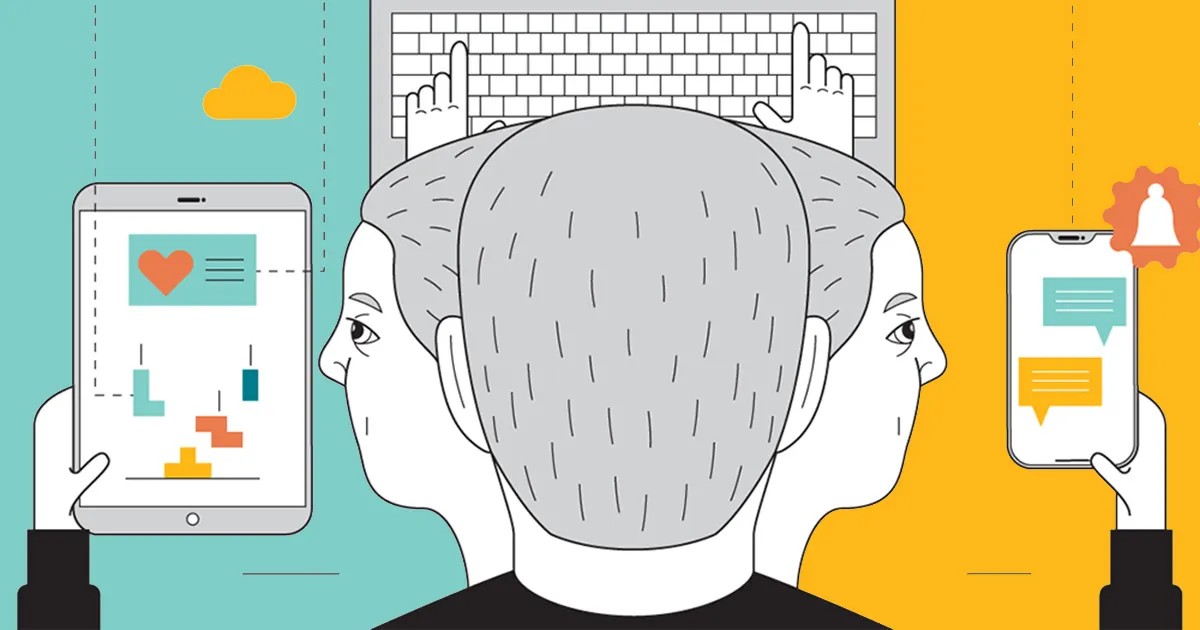
Don’t get me wrong, there are many good things about the series. The worldbuilding and scenery are breathtaking, along with the digital effects of the elemental bending. But, the one thing that threw me off was the amount of repetition and over-explanation in the dialogue of every episode. Not only do they reveal that Aang is the Avatar within the first episode, but they endlessly repeat that fact, to the point that it begins to get irritating. They also have to explain what being the Avatar means every single time. This only gets worse in the second season, released just this summer. Why? The “Avatar: The Last Airbender” live-action series is another victim to the idea of being second-screen friendly.
In case you are unaware of what the term “second-screen friendly” means, or what a show not being “second-screen enough” is, in short it just means any piece of media written in a way where someone who is on their phone can still follow along with whatever is playing in the background. This is not necessarily a new thing, nor is “A:TLA” the first victim of it. It is just becoming more prominent as streaming services churn out mindless TV slop to put on while scrolling Instagram Reels.
There are more than a hundred reasons why this is bothersome, but I will just say a few to save time. For one, if you are going to play a show or movie in the background just to play Block Blast on your phone, you are a menace to society and I will be hunting you down. Who are you, my mom? I know half of you people will go on Letterboxd after “watching” whatever you just put on and complain that you “didn’t understand what it was about.” Yeah, clearly, because you weren’t watching the freaking SHOW!
On another note, streaming service executives are forcing directors and writers to rewrite their own media because, as said before, it is not “second-screen enough.” You mean to tell me that you guys are so brainrotted that you moved on from Subway Surfers and are now infecting the entertainment industry? Changes imposed on directors include having high-impact scenes play earlier to catch the audience’s attention and explaining supposed-to-be subtle elements out loud so nothing is missed. In addition to the endless repetition of detail, these are the main culprits in the ever-growing pattern seen in new media.
This is also likely why, if you have seen a bad TV show or movie recently (more specifically on Netflix), it is likely due to the fact that the content has been dumbed down enough so you can simultaneously be on your phone and watch the TV. Or, on the other side of the spectrum, people end up disliking “real” shows and movies that had no executives imposed on the writing because it feels so “artsy” or too hard to comprehend.
At some point, we are conditioned to just accept this low-quality production of entertainment, which is why I believe that the concept of being second-screen friendly is ruining everything we consume. It extends outwards from just being on our phones, too — it shortens our attention spans and, in turn, reduces our media literacy. Short-form content gives the audience what it is looking for right away, which can make long-form entertainment feel unbearably long — another factor in why you feel the need to scroll while playing movies and shows in the background.
Say you read this and think “this is so me-coded.” How can you go about changing the way you perceive media? One thing you can do is sit through whatever it is you are watching and formulate your own opinion. Take breaks if needed, and resist the urge to scroll when scenes get tough, or too boring. Social media is a way of escapism to avoid negative emotions like boredom. Secondly, engaging with the media can be a great way to feel more connected. After watching it for yourself, go see what other people are saying. Watch behind-the-scenes content, which can be a great way to learn certain film or design techniques. I might be biased, but fandom content is also a fun way to participate with both the media itself and other people.
As I have mentioned before, this is not a new thing. People complaining about this is not new either; it is a song that has been sung thousands of times before. However, I believe that the more it is brought up, the better the chances are of things changing. One person recognizing the harmful effects of their media intake is better than nothing at all.
Featured image: ADWEEK

Leave a Reply