

Joya Saxena, Staff Writer
We know that Gen Z is the first generation who has grown up with the Internet from a young age. With the rise of social media, Gen Z has taken the world by storm, whether in the form of social movements or entertainment. Social media has allowed social movements to flourish, and it has been a way for people to find community within those platforms. However, social media has also been criticized for democratizing news and journalism. Misinformation runs rampant online because it’s easy for people to share something false with the click of a button.
However, Michael Dango, the Assistant Professor, and Chair of Beloit College’s English department, is helping students navigate the social media landscape in his Critical Internet Studies course. “The idea of the Critical Internet Studies course is to think about how the internet intersects with questions about power, race, gender, and sexuality in particular,” says Dango. “We started at the beginning of the semester by reading different philosophers, political theorists, and sociologists who studied how the Internet either does or does not reproduce power structures and systems in society at large,” which helps people develop an academic vocabulary and think critically when talking about the internet.
There are a few different themes that Dango’s class explores, like misinformation and political polarization, but also the internet as a resource for organizing in the United States, “We also talk about how the Internet provides a space for marginalized groups to find a community that they wouldn’t find in the real world. For instance, LGBTQIA+ folks might find an online community when they struggle to find a physical community,” Dango says. The second half of the semester will focus on Joan Donovan, this year’s Weissberg chair, and her work with misinformation and disinformation. On top of that, the class “will also develop interventions of [their] own. To do this, we need to think about how to develop digital literacy, how to interrupt the spread of misinformation, and how to make digital spaces that are more inclusive in the face of trolling or offensive behavior. Students will work in small groups to design those kinds of interventions themselves.”
When Dango was asked what the goals and learning objectives are for his course, he responded, “There are a few. One is having a sense of the historical development of the Internet, thinking about when and why different social media platforms emerged, for example. We discuss how those social media platforms have been used either to build community or disrupt community. We always keep in mind that there are positive aspects of the Internet. The Internet can provide liberation and control. Another goal is to have a critical vocabulary when discussing the Internet and critique the experiences we have on the Internet. I want students to understand how the privatization of the Internet by private companies can shape public discourse for better or for worse. The last goal is to have an active engagement with the Internet. We are passive receivers of information and are always bombarded with content. We need to be more self-conscious about how we are engaging with the Internet, how we engage with others on the Internet in interactions and have a self-reflective and critical relationship with the Internet as it impacts our daily lives.”
Dango was asked how we, as students, can apply our liberal arts education to our interactions with the Internet and how that intersects with our interactions with the real world. He responded by saying, “There are two things I think about when talking about a liberal arts education.” the first one is the liberal aspect of our liberal arts education, “It comes from a tradition of thinking about liberty and freedom. When we are engaging with any social structure, we need to think about how we can facilitate and encourage more freedom as opposed to more power and control.” This all takes it back to critical thinking and realizing what is freedom and what is control, and being able to see the difference. The second thing is “the breadth of perspectives that we have,” the wide range of viewpoints offered to us with the internet. “For example, one of the things that is so challenging about the Internet and our experiences with it is that most of us don’t have the technical expertise to know what is going on behind the scenes of content. We’re not computer scientists or engineers. Sometimes, not having that expertise makes us scared of asking critical questions. Therefore, one of the things I hope students have is the courage to know that their training in any discipline, whether it be political science, philosophy, sociology, etc., positions them to think about the Internet well.” All Beloit College students can benefit from keeping “that curiosity with them for the rest of their lives, which means always asking what something looks like from an interdisciplinary perspective and different mindset to keep that curiosity alive as well.”
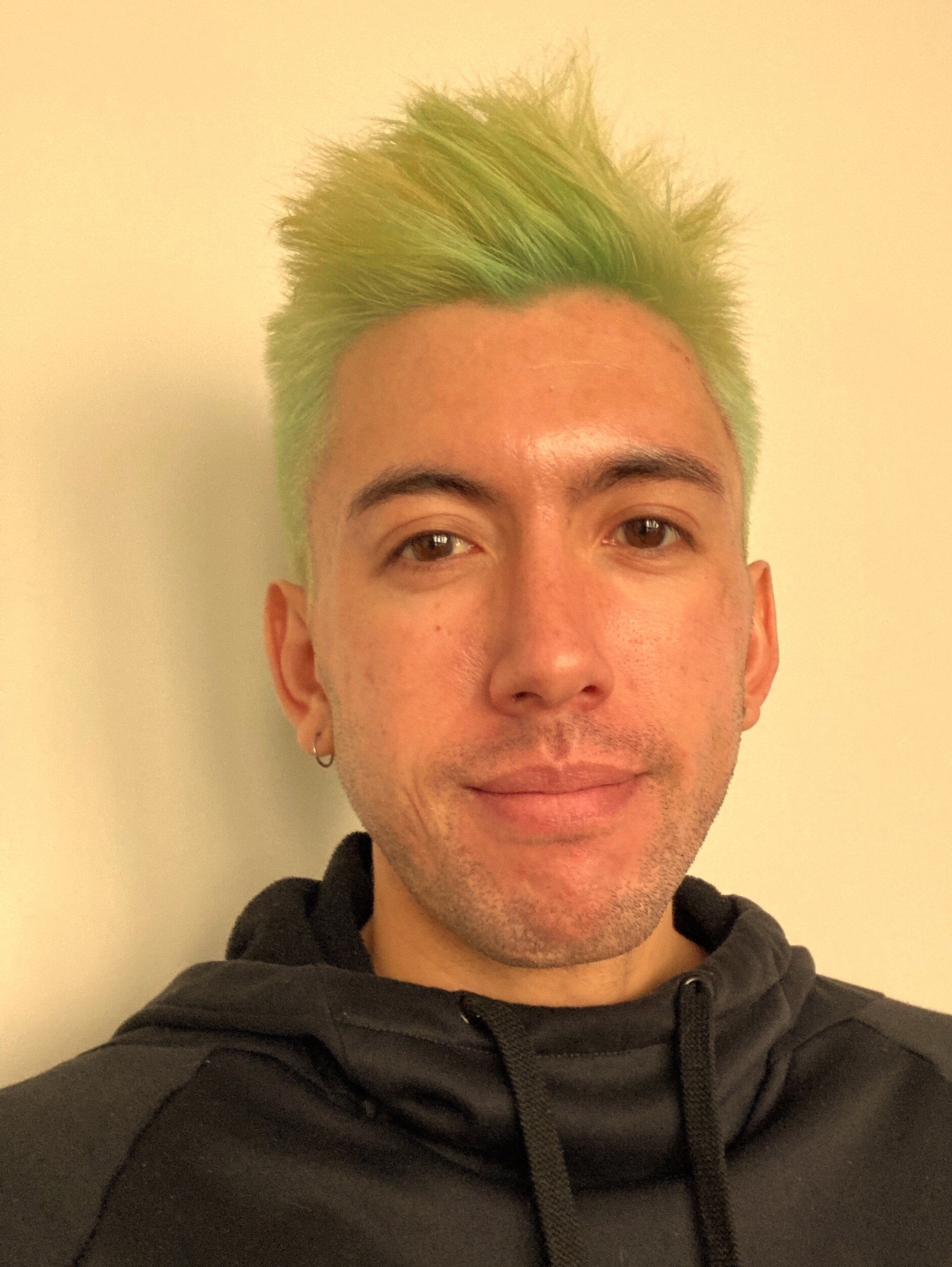
Featured Image Credit: Michael Dango

Leave a Reply