

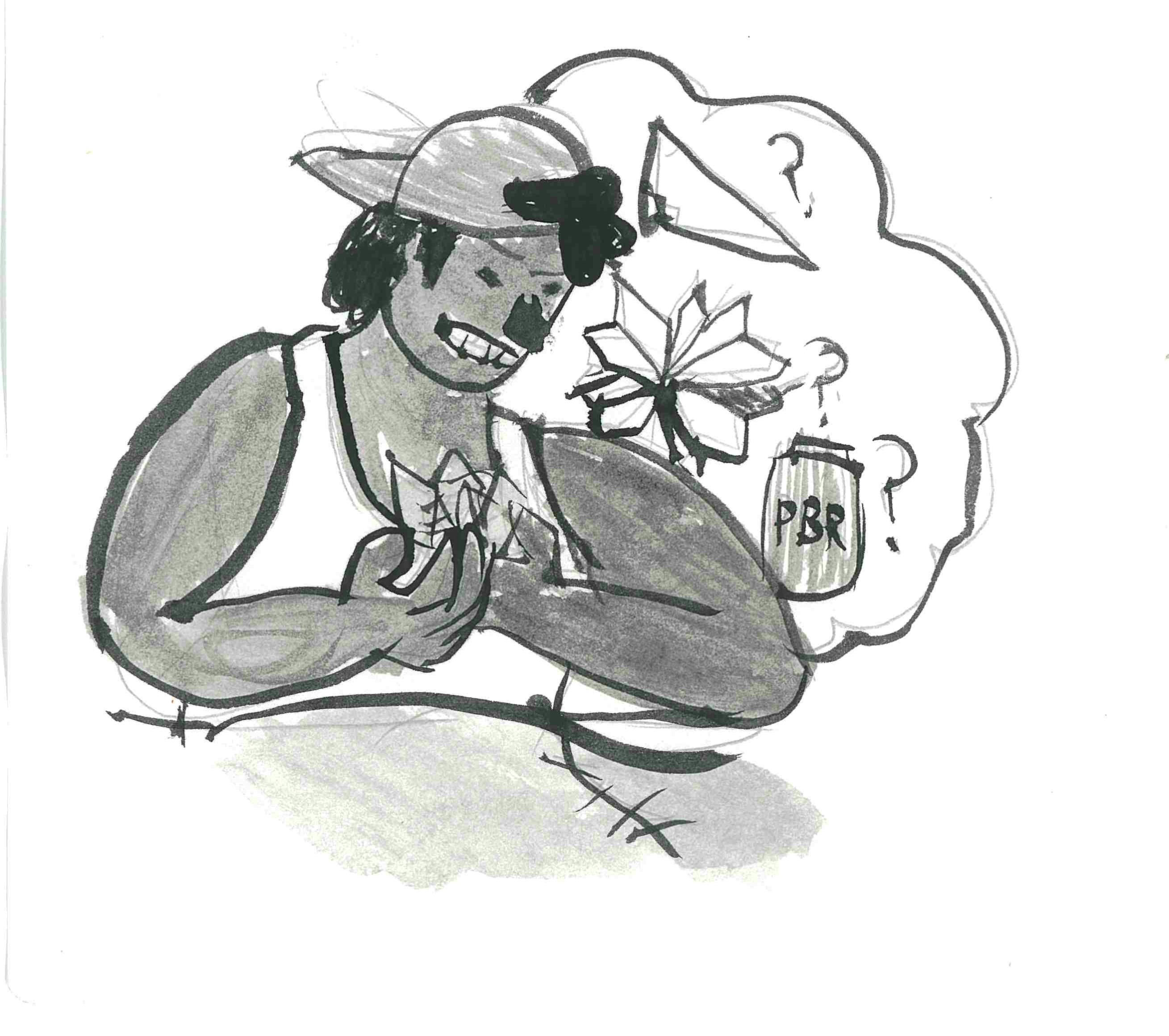
Maybe you’ve seen a nice, symmetrical quilt laying around your grandparents’ house, or you see that the church your mom still goes to is selling quilts again. Sewing, from a general standpoint, is often seen as a more feminine hobby/job. In the past, it was crucial that the mothers staying at home knew how to sew.
Meanwhile, I don’t think my grandfather has ever even picked up a sewing needle before, but I digress. These talented women would make clothes, stitch up holes in said clothes, patch blankets, fix curtains, and even create quilts. Yes, quilts. Quilts look easy enough; it’s just a bunch of squares right? Wrong. I’ll tell you why. (You can skip this next paragraph if you hate math, like me.)
Let’s say you want a quilt that’s seven feet long, but five feet wide. There’s always precise math that goes into this art practice. First, you take into consideration the seam allowance, the extra fabric you have to account for when stitching all the squares together. Let’s say half an inch. If you have nine big boxes on your quilt, each box will be 20.5 inches by 28.5 inches (with the seam allowance included). This is also one of the easiest quilts you can make, or a 4×4 quilt, with all even squares.
This process isn’t even accounting for the two other layers you would need to complete. Quilting involves two or more layers of fabric and “stuffing” to make it the proper thickness. When you start adding in things like triangles or diamond shapes, the math gets all the more complicated. Math I refuse to do.
Quilting is known to also date back extremely far, some think even as early as 3400 BCE, specifically in Siberia. Back in these times, quilts were originally made out of necessity. People needed to stay warm and protected in the cold climates, so they made garments out of quilted fabric. The extra layers involved in quilting provided more security and comfort against the cold. Then a bit later, the quilted clothing was also used to wear under armour during battle in 12th century Europe. I really don’t think this could have done too much, but it definitely would still soften hits. Think of the thick cushion in a motorcycle helmet or football helmet: the extra cushioning provides some comfort while you’re getting jostled around.
Then, around the 15th century we see a shift where this art form is used among aristocrats as well, mostly to show status and wealth. People would use expensive and fancy fabrics, or elaborate shapes and patterns, to show off. The more complex the quilt was, the higher their status.
It also seemed like the more quilted things they had the better. Quilted blankets for every room, pillows galore, and elaborate rugs. They would all have difficult patterns and embroidery to complete each piece. This showed guests that they paid extra for experienced seamstresses to embroider and make lace for these things. Every detail mattered.

Leave a Reply